
Perinatal & Postpartum Mood and Anxiety Disorders
Ideally, pregnancy can be a very exciting time in your life, as you experience many changes in your body and imagine yourself becoming a mother. Unfortunately, this ideal may not match your experience. For you, pregnancy, or the birth of your baby may actually be a time filled with tremendous fear, sadness, and distress.
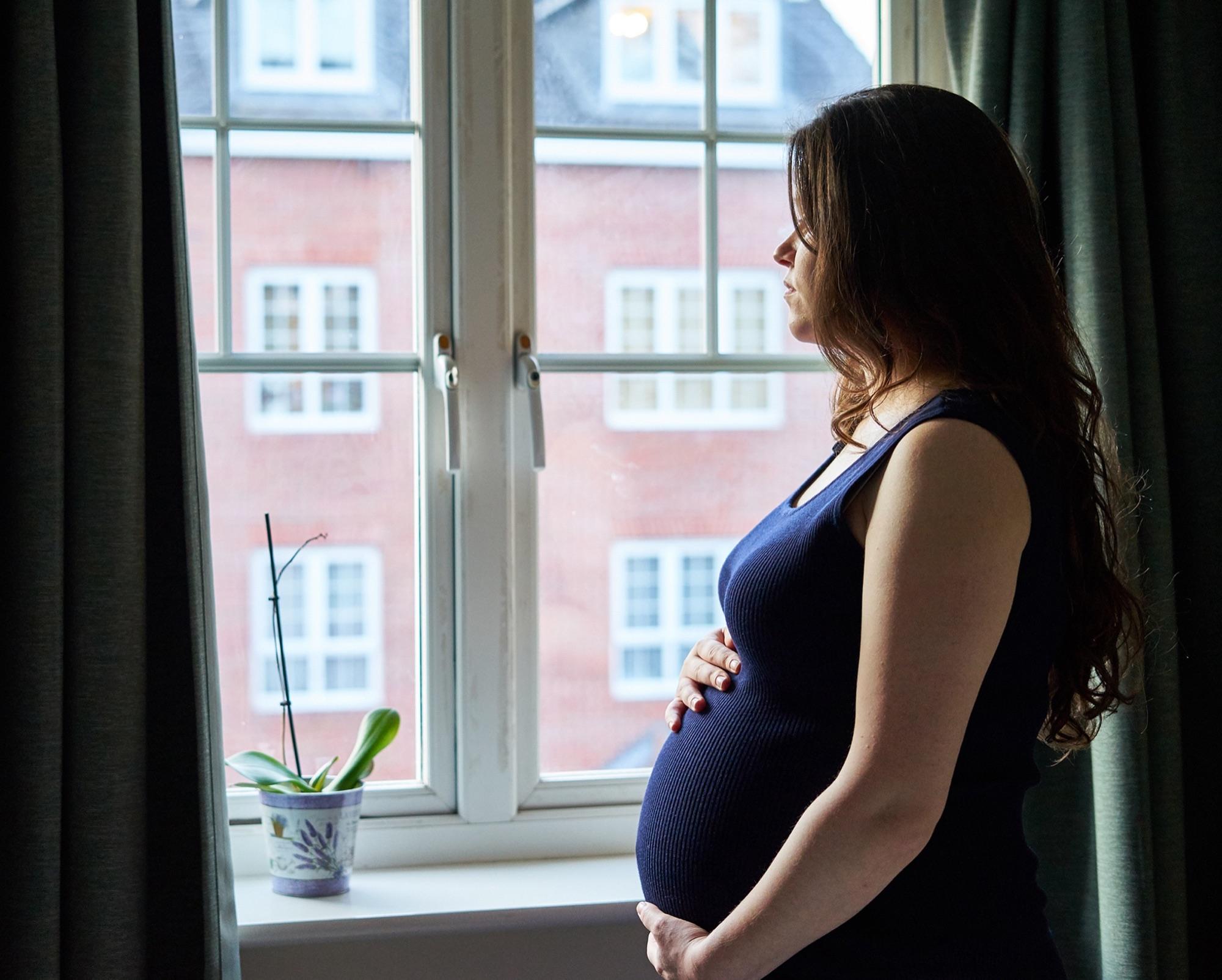
It is important to know what may put you at increased risk for experiencing perinatal (during your pregnancy) or postpartum (after the baby is born) depression or anxiety. Notify your medical team as soon as possible if you feel that you may be at higher risk, so that you can be informed of treatment options should a problem arise. All women are vulnerable to these conditions, regardless of their age, race, or socioeconomic status.
Risk factors include
- If you have experienced depression or anxiety prior to becoming pregnant, or if a family member has a history of mood disorders
- If you experienced depression or anxiety during or following a previous pregnancy
- If you are undergoing unusual stress or strain (for example losing a job, moving, a death in the family)
- If you are experiencing conflict in your relationship
- If you have an unplanned or unwanted pregnancy
- If you have low self-esteem
- If you had complications in your pregnancy or delivery
What is the difference between the “baby blues” and postpartum depression?
- The “baby blues” are normal feelings of sadness, worries about your baby’s health, or concerns about your ability to care for your newborn
- These feelings may begin and end within the first few weeks after the birth of your baby
- A postpartum mood or anxiety disorder can begin any time within your baby’s first year of life
- The symptoms will create a noticeable impairment in your ability to function in many areas of your life — including your ability to care for your baby and yourself
What are signs I may be experiencing a perinatal or postpartum mood disorder?
- Excessive worry
- Difficulty focusing or concentrating
- Change in appetite (either eating too much or lack of appetite)
- Change in sleep patterns (either sleeping too much or trouble falling or staying asleep)
- Irritability or increased frustration with others
- Feeling sad or crying more often
- Lack of interest or pleasure in things you used to enjoy
- Feeling incompetent to care for yourself or your baby
- Thoughts of harming yourself or your baby
If you have noticed that you are experiencing many of these symptoms please tell your doctor, midwife or doula, your partner or a friend. The sooner the problem is identified the faster you can begin treatment and start to experience relief.
Postpartum mood disorders include: postpartum depression, postpartum anxiety, postpartum obsessive compulsive disorder, and, more rarely, postpartum psychosis. Each of these illnesses can have a significant impact on you, your partner, your relationship with your baby, and your infant’s cognitive, social and emotional development. If left untreated, there can be long-term consequences for your well-being and your relationship with your partner and your baby.
How can I help?
I will work with you to help you:
- Regain your confidence and emotional strength
- Identify and activate your resources
- Reclaim your individual identity alongside your identity as a mother
I work with women while they are pregnant to help them manage their expectations of pregnancy, their delivery and the postpartum period. I will collaborate as a team with your OB/GYN, psychiatrist and internist if medication is also being used as a part of your treatment in combination with psychotherapy.